- トップページ
集客力に影響あり!シンポジウム向けの貸会議室の選び方
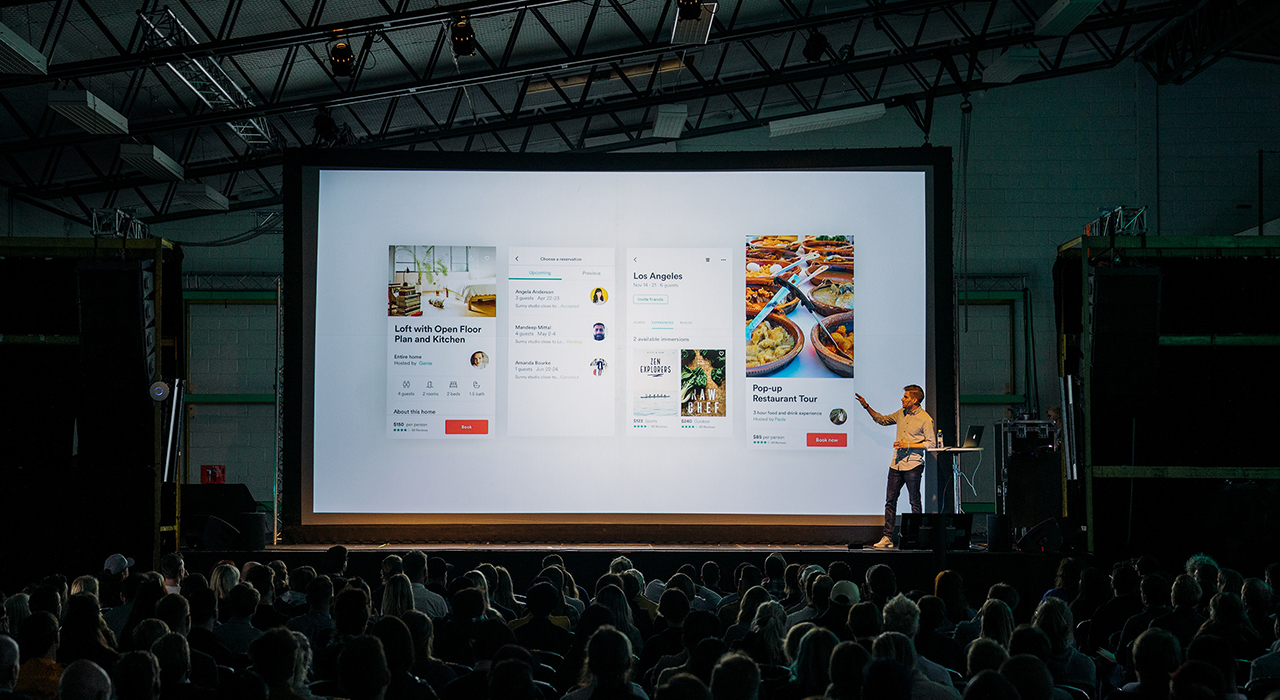
数百人規模で多くの参加者を招いて開催する「シンポジウム」を行う場合、自社内に会議室を持っていても十分な広さを確保できない上、実施に必要な備品を一式揃えるには費用も手間もかかってしまいます。
そこで是非おすすめしたいのが、最近話題の「貸会議室」です。会議や取引先との商談など、ビジネス目的で利用されることが多かった貸会議室ですが、最近はその他にもスケールの大きなセミナーや会社説明会、そしてシンポジウムの会場として利用されることが多くなっています。
話題性のあるシンポジウムでも、どこに会場を設けるかによって「集客力」に大きな影響を及ぼします。シンポジウムへ効果的に集客を促すために「どのような部屋でどういった備品を借りられるのか?」、そして「最寄り駅からのアクセスの良し悪し」など、貸会議室の選び方を色々と工夫する必要があります。
それでは早速、「シンポジウム向け貸会議室の選び方」について色々と見ていきましょう。
- 「立地」の良さが集客に大きく影響する!

多くの方にシンポジウムに参加してもらうために、最も重要なことが「立地」の良し悪しです。
注目度の高いテーマを取り上げているシンポジウムであっても、参加者が会場に辿り着きにくい、アクセスに不便な場所であれば集客力を低下させてしまう恐れがあります。そのため、参加者が迷わずにシンポジウム会場に辿り着けるような貸会議室を選ぶということが重要なポイントの一つです。
例えば、貸会議室までの行き方が電話越しでも分かりやすく伝えられる場所を選ぶと便利ですし、土地勘のない方でも貸会議室までの案内を見ればすぐに行き方がわかる場所にあることがベストです。
- 最寄り駅から徒歩数分でアクセスできる「利便性の良さ」!

シンポジウムに参加する全員が、東京都内に暮らしているとは限りません。場合によっては、飛行機や新幹線に乗って全国各地からシンポジウムに参加するために訪れる方もいます。
そのため、最寄り駅から徒歩数分でアクセスできる「利便性の良さ」はとても重要で、なるべく電車の乗り換え回数も少なければ少ないほど良いでしょう。
例えば、東京駅周辺や品川駅周辺にある貸会議室を選ぶと、当日の移動でも無理なく会場に足を運ぶことができます。また、シンポジウムが終了後にすぐに電車に乗って帰宅することが可能なため、多くの参加者の集客を見込むことができます。最寄り駅から徒歩数分であれば荷物を抱えての移動にも便利ですし、万が一天候の悪い日でも無理なくアクセスできます。
- 初めてのシンポジウムをサポートしてくれる「心強いスタッフ」!

貸会議室をシンポジウム会場に選ぶメリットの一つが、初めてのシンポジウムをサポートしてくれる「心強いスタッフ」がいるということです。会議や打ち合わせ、商談などのサポートだけでなく、シンポジウムやセミナーなどの規模の大きな催事に精通したプロのコーディネーターが常駐している貸会議室であれば、初めての方も安心して利用できます。
問い合わせから予約、当日の備品や机、椅子などの設置も担当スタッフが代行してくれるほか、原状回復もすべて任せることができます。シンポジウム会場を決定する前は必ず内覧を実施しますが、その際は気になることや、要望などを色々と相談して、「この担当者になら安心して任せられる!」と思うスタッフがいる貸会議室を選ぶことが重要なポイントです。
- シンポジウム向けのレイアウトの提案を受けられる?
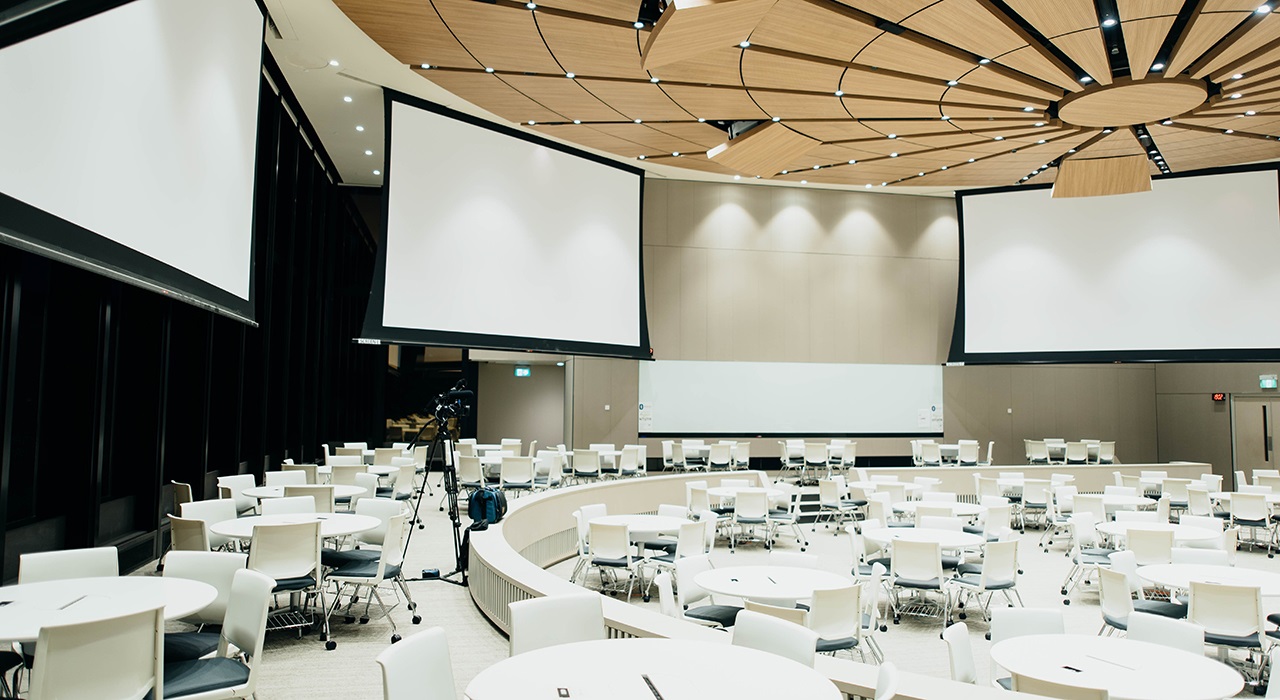
貸会議室は、利用目的や利用人数によって様々な部屋を選べるといったメリットがありますが、それと同時にそれぞれの用途に合わせて自由に「レイアウト」を工夫できることも大きな魅力です。
会議や打ち合わせに向いているレイアウトもあれば、セミナーや会社説明会、そして「シンポジウム向けのレイアウト」というのも存在します。初めてシンポジウムを開催する企業としては全てのことが初めてで、貸会議室の広さや料金ばかりに目が行ってしまいがちです。しかし実際は、より質の高いシンポジウムを行うために「どのようなレイアウトにするべきか?」といったことを考えて、色々と工夫を行うことが大切です。
初めてのシンポジウムをサポートしてくれる心強いスタッフがいると安心ですが、この場合「シンポジウム向けのレイアウトの提案をしてくれるか否か」といったことも頭に入れて貸会議室選びをすることをおすすめします。参加者がよりシンポジウムの内容を聞き取りやすく、講演者が話しやすい環境を作り出すために最適なレイアウトを提案してもらうことができれば、より質の高いシンポジウムを実施することができるでしょう。
- 必要な「備品」はすべて揃っている?料金や規定なども詳しく確認!
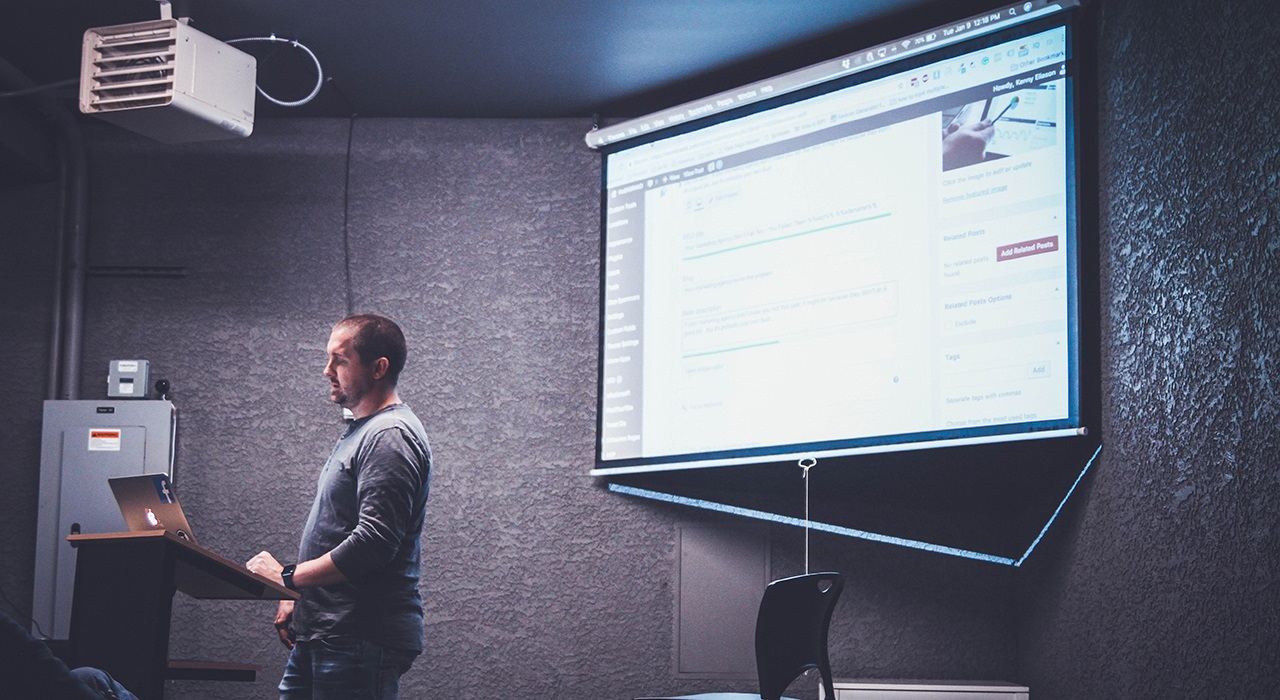
貸会議室を借りてシンポジウムを開催する企業の多くは、「貸会議室は必要な備品が全て揃っていること」に魅力を感じているようです。自社で新しくマイクやプロジェクターなどを揃えようとすれば、それだけ費用が掛かってしまいますが、貸会議室をレンタルすればシンポジウムに必要な備品を安い料金で借りることができて経費を最小限に抑えることができます。
シンポジウムで使用するテーブルや椅子は貸会議室の室料にあらかじめ含まれていることが殆どですが、その他に必要な備品は室料の他にオプション料金がかかるため、事前に貸出料などを確認しておくようにしましょう。
また、シンポジウムの進行が遅れてしまう可能性を考慮して、あらかじめ貸会議室の延滞が可能かどうかを確認することが大切ですし、万が一延滞した場合の追加料金についても詳しく確認しておくようにしましょう。
- シンポジウム以外の目的で貸会議室を利用できるか確認!

最近の貸会議室は、ビジネス目的以外での利用にも活用されています。例えば、企業の忘年会や新年会、仲の良い友達と集まって誕生日会をしたり、同窓会を実施したり、中には趣味で行っている絵画や陶芸などを教える1日教室を開いたりと、とにかく様々な目的で貸会議室を利用する方が増えています。
シンポジウム会場として貸会議室を利用する場合は、その後に懇親会や打ち上げなどを実施することもあるため、貸会議室選びをするときは「シンポジウム以外の目的で貸会議室を利用できるか確認」しておくことをおすすめします。
ケータリングサービス業者と提携している貸会議室であれば、必要に応じて食事や飲み物を貸会議室にデリバリーしてもらえますし、シンポジウム会場とは別の貸会議室をレンタルしておけば参加者がすぐに移動できるので便利です。ケータリングサービスを利用する場合も、テーブルなどのセッティングはもちろん、利用後の原状回復などもすべて貸会議室のスタッフに任せることができます。
まとめ
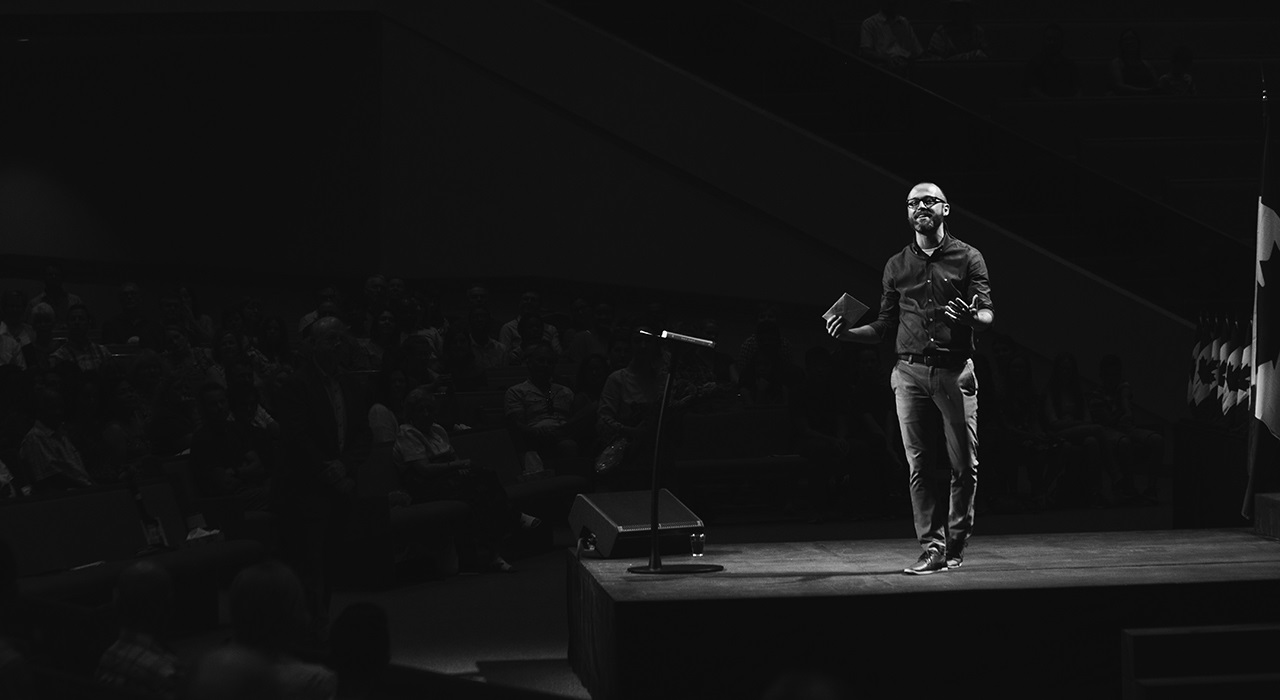
今回はシンポジウム向け貸会議室の選び方として、特に大事なポイントを6つの要素にわけて紹介しました。貸会議室は、シンポジウムを開催するために必要な広さや設備、備品、サービスが充実している他、問い合わせから貸会議室の利用当日まで全面的にサポートをしてくれる心強いスタッフが常駐していることもある非常に利便性の高いレンタルスペースです。
どれも基本的な内容ばかりですが、どのような貸会議室を選ぶかによってシンポジウムの参加人数や集客に大きく影響します。より費用対効果の高い質の高いシンポジウムを実施するために、これらのポイントを参考により強いこだわりを持って会場選びを実施することをおすすめします。
ベトナムオフショア開発
ベトナムオフショア開発
ベトナムラボ型開発
ベトナムラボ型開発